
Emergency Dentist Minneapolis
When You’re in Pain, We Can Help
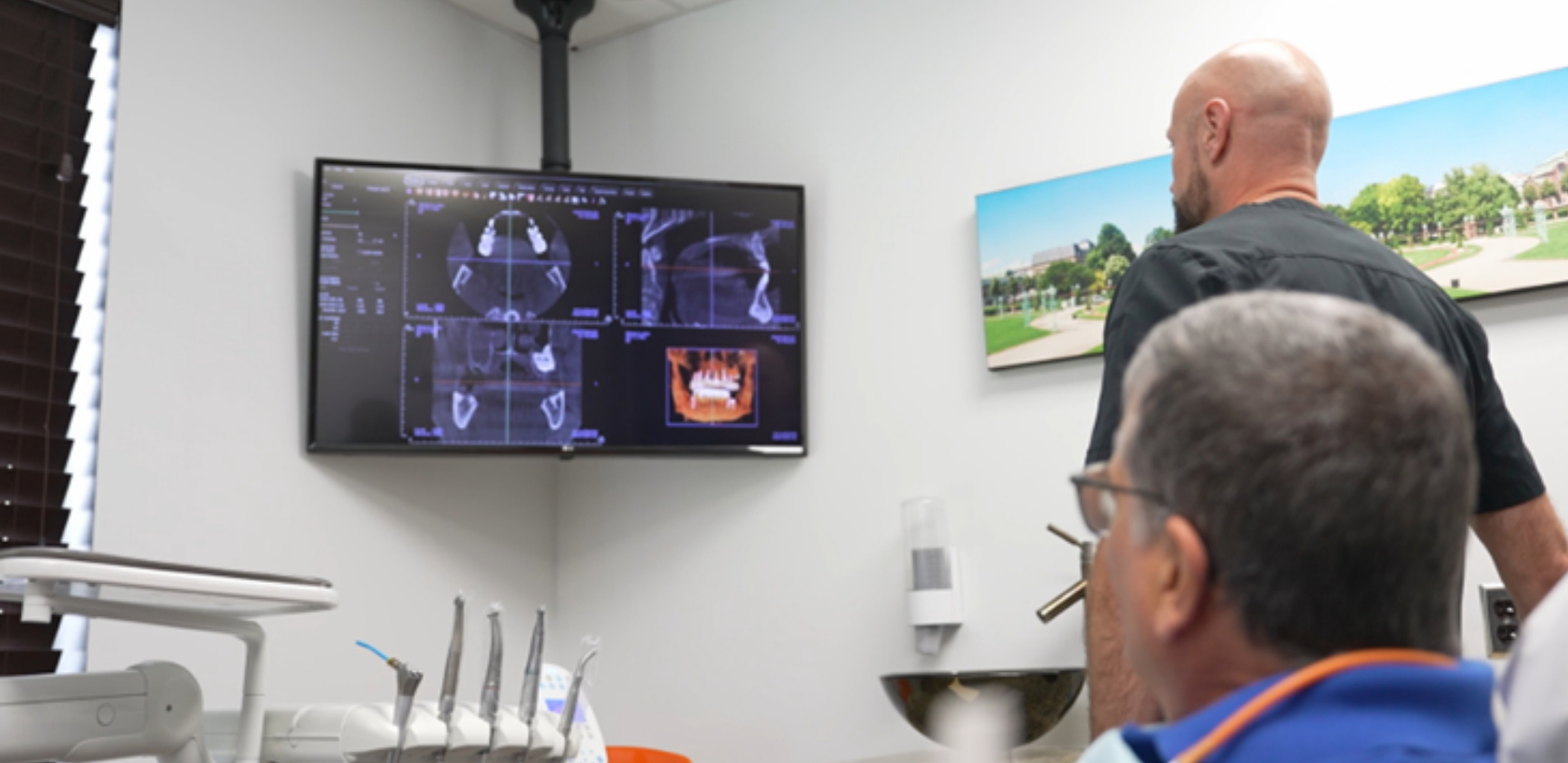
If you’re experiencing a dental emergency in Minneapolis or Minnetonka, we advise you to contact our team at Holger Dental Group as soon as possible. We do our best to see patients who are in pain or have experienced a severe dental issue the same day they call. Plus, because our experienced team of dentists have a wide range of skillsets and have completed advanced training in a number of procedures, we’re able to offer more advanced treatments in-house for your convenience and ease.
Your Leading Emergency Dental Care Experts
- Same-Day Appointments for Our Emergency Patients
- Team of Skilled Dentists That Can Provide Advanced Care
- Trusted By Minneapolis & Minnetonka Patients Since 2013
How We Treat Dental Emergencies
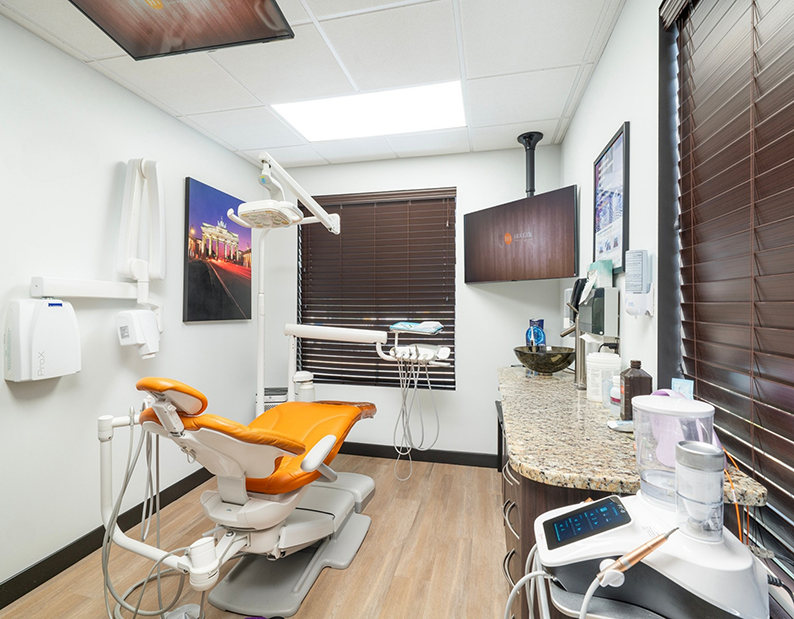
- Call: If you’re experiencing oral pain or believe you need emergency dental care, call our team at Holger Dental Group immediately. We do our best to see our patients experiencing emergencies the same day they reach out.
- Exam: When you arrive, our team will take any necessary X-rays or images of your mouth, and one of our knowledgeable emergency dentists in Minnetonka will complete a thorough examination. They will also ask you about your symptoms.
- Educate: Based on our team’s findings, your dentist will discuss their diagnosis with you, as well as their treatment recommendations. We will also be happy to answer any questions you may have!
- Treat: Once you agree to move forward with our treatment plan, our front desk staff will schedule your procedure for a day in the near future. Or, if the treatment required is minor, we may be able to fit it in that same day you come to see us.
The Most Common Dental Emergencies
Below, you can view some of the most common dental emergencies that we treat, along with some of our recommendations for how to handle them by the time you reach our office. However, even if you don’t see the issue you’re dealing with listed, we still recommend giving us a call if you experience any out-of-the-ordinary dental symptoms or you’re in pain!
Understanding the Cost of Emergency Dentistry

Whether you’re visiting us because your gums are bleeding when you floss or because you knocked out a tooth, you likely have some questions about the cost. Don’t worry, we’re here to help! In addition to providing you with an estimate of the price upfront, we will discuss all of the financial solutions that are available at our office. In the meantime, you can read on to learn more, starting with the factors that we need to consider when determining the cost.
Every Dental Emergency is Different

Simply put, every dental emergency is different because the care you need will vary depending on the situation. As such, our team will only be able to give you an estimate of what the cost of your emergency dental care will be once we’ve examined your mouth and learned more about the nature and severity of your specific dental issue. Once we have all of the information we need, we can create your custom treatment plan and provide you with an estimate of the price. Then, after answering any questions you have, we will provide the agreed-upon care.
Does Dental Insurance Cover Dental Emergencies?

Do you have dental insurance? If so, we have good news: many plans help make paying for necessary emergency care easier. That said, the amount that your insurance company is willing to pay can vary based on which plan you have. For this reason, we recommend providing us with your membership information. That way, we can help you maximize your available benefits and lower your out-of-pocket expenses.
Other Options for Making Dental Emergencies Affordable

If you don’t have dental insurance, then consider:
- Signing Up for Flexible Financing – Thanks to flexible financing, you don’t have to pay for the entire cost of your treatment at once. Instead, you can break up the total price into smaller, more manageable chunks that fit within your budget comfortably.
- Joining Our HDG Loyalty Plan – Our adult plan includes one emergency exam per year, as well as discounts on several treatments that are completed at our office. Plus, you won’t have to worry about annoying restrictions, like waiting periods!
If you are interested in learning more about either of these financial solutions, including where to sign up, give us a call. We’d be happy to answer any questions you have related to the cost.
Taking Care Of Your Smile Can Save You Money

If the thought of sustaining a serious dental injury scares you, you’ll be happy to hear that many are largely preventable. The key is adopting healthy habits, like brushing your teeth twice a day, and quitting bad ones, like smoking. You should also schedule a dental visit every six months so we can catch any oral health issues that do develop in the early stages, like gum disease.
Important reminder: If you’re experiencing dental sensitivity, pain when biting down, or any other unusual symptoms, then don’t wait until your next checkup and cleaning. Instead, get in touch with us to schedule an appointment with your emergency dentist in Minneapolis.
Keys to Preventing Dental Emergencies

Even relatively minor dental injuries, like a small chip, can lead to considerable sensitivity and discomfort. Not only that, but they can be stressful to handle, even with a dental team that you know and trust in your corner. That’s why we want to do our part to help you protect your teeth and gums! With this in mind, keep reading to learn what you should and what you should NOT do to prevent dental emergencies.
Visit Your Dentist Twice a Year

Your biannual dental visits are important for several reasons. To start, they help our dentists in Minneapolis catch tooth decay, gum disease, and other serious oral health problems in the early stages. They also allow our dental hygienists to remove built-up plaque, which helps keep your smile healthy. So, if it has been more than six months since your last checkup and cleaning, don’t wait any longer to schedule an appointment!
Commit to a Solid At-Home Oral Hygiene Regimen

All too often, patients run a damp toothbrush over their teeth for 30 seconds and call it a day. However, this isn’t enough to remove food particles, plaque, and other debris. In order to do so, you need to use a damp, soft-bristle toothbrush and fluoridated toothpaste for two full minutes each morning and evening. Then, at least once a day, floss, clean the surface of your tongue, and rinse with mouthwash for 30-60 seconds.
Eat Well-Balanced Meals

Another great way to prevent dental emergencies is by filling your plate with nutrient-dense foods, like seasonal fruits and vegetables. At the same time, limit your intake of cavity-causing sweets, like ice cream and chocolate chip cookies. You also should exercise caution with hard pretzels, tortilla chips, and other snacks that have a crunchy consistency.
Bonus tip: Drink lots of water throughout the day! Not only will this help you stay hydrated, but it will also help prevent dry mouth.
Wear a Mouthguard

Oftentimes, patients assume that they only need a mouthguard if they participate in a contact sport, like football. However, you can sustain a serious dental injury if you accidentally fall while running, or a rogue ball hits you in the face while playing tennis. So, we recommend wearing one anytime you’re active. If you don’t have one already, let us know! Our team at Holger Dental Group can have a custom one made for you.
Quit Harmful Habits

So far, we’ve covered what you should do. But there are also several things you should NOT do, like chewing on ice cubes, biting your nails, and using your teeth as tools. You also shouldn’t smoke since doing so can lead to everything from delayed healing to an increased risk of developing oral cancer.
Dental Emergency FAQs
What does throbbing tooth pain mean?
A throbbing toothache is likely the sign of a tooth infection or inflammation within the tooth. Cavities or cracks can allow things like air and bacteria to reach the sensitive pulp, resulting in irritation and potential infection of the nerves, which can be extremely painful.
Throbbing could also occur if decay is present, or due to chronic teeth grinding or jaw clenching. If you are experiencing throbbing pain, contact your emergency dentist in Minneapolis right away.
Will a toothache go away on its own?
Unfortunately, toothaches generally don’t go away on their own. For this reason, it is important to schedule an appointment with your emergency dentist in Minneapolis to ensure that nothing is wrong.
There are many potential reasons you may have a toothache, and it’s important to rule them out with a dental professional as soon as possible. This can help diagnose underlying problems before they have a chance to get worse.
In some cases, toothaches that involve pain surrounding the tooth (and not inside it) may clear up on their own, such as irritation in the nearby gum tissue.
How should I sleep with tooth pain?
Having a toothache at night can make getting to sleep very difficult. To improve your odds of getting the rest you need, keep your head elevated. This will prevent blood from rushing to your head and intensifying the toothache.
Additionally, you may benefit from taking an over-the-counter pain reliever as needed. Be sure to avoid any food that is acidic, cold, or hard right before bed. You can also try applying a cold compress to dull some of the discomfort.
Be sure to call your emergency dentist in Minneapolis in the morning for an urgent appointment.
What if my toothache suddenly disappears?
If you are experiencing a severe toothache that seemingly vanishes on its own without explanation, this doesn’t necessarily mean your problem has been resolved. In fact, it could mean that the situation is even more dire.
A lack of pain could indicate that the nerve inside your tooth has died due to an infection; if this infection isn’t dealt with, it could even spread to the rest of your mouth.
Thus, even if you’re no longer experiencing pain, it is still very important to visit your emergency dentist in Minneapolis as soon as possible so that they can determine the appropriate treatment for your smile!